
Proxy Vs. VPN: What's The Difference?
Both change the IP a site sees. They differ in scope, encryption and control — and that difference decides which one fits your job.
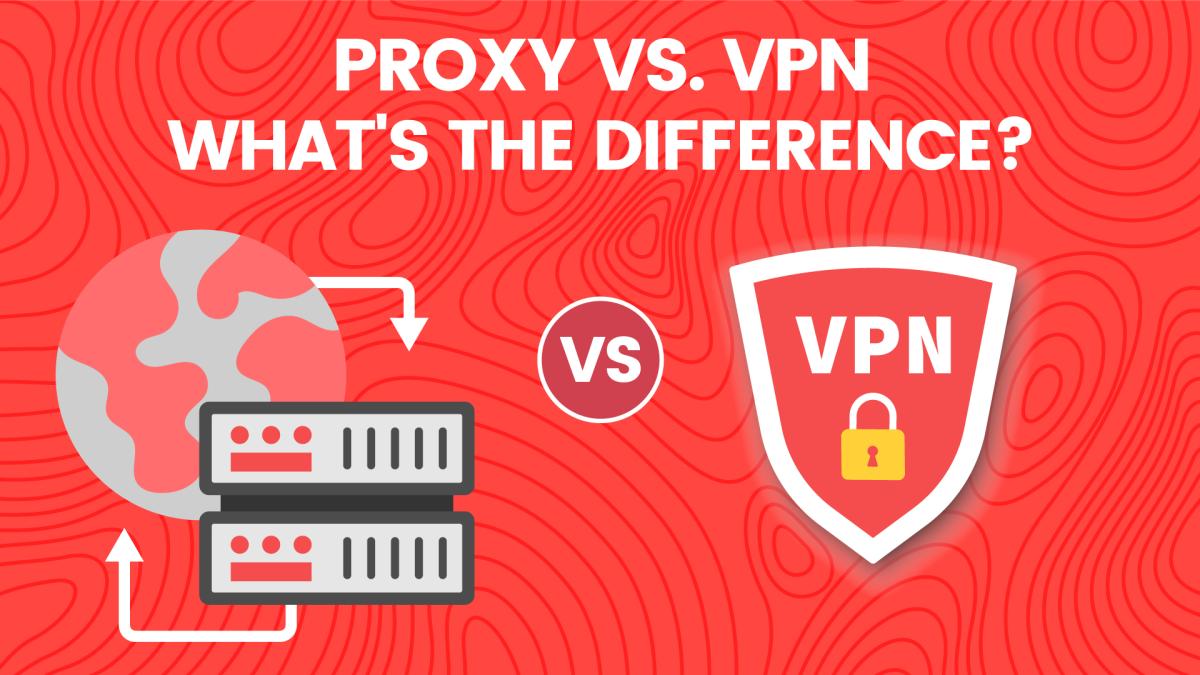
Scope
A VPN captures the whole device. Every application, every background service, every DNS lookup goes through one tunnel. A proxy applies only where you point it: one browser profile, one script, one container. If you need ten identities running at once on the same machine, that difference is the whole story.
Encryption
A VPN encrypts the link between you and the exit server by design. A proxy forwards traffic; HTTPS still protects the payload, but the proxy itself adds no encryption layer. For privacy from your local network, the VPN wins. For changing where a request appears to come from, encryption isn't the point.
Control
Proxies give you per-request control: a different country per profile, a different exit per worker, a sticky session that lasts exactly as long as a checkout. VPNs give you a server list and one active connection. That's comfortable for personal browsing and useless for automation.
Cost at scale
VPNs charge per device or per user. Proxies charge per gigabyte or per IP. When you're pulling millions of pages, per-gigabyte pricing on residential IPs is predictable in a way VPN plans never are — and no VPN offers a hundred million addresses.
Which to pick
Use a VPN when you want your own traffic private on an untrusted network, or you want one consistent foreign location for everyday browsing.
Use a proxy when the work is programmatic, needs many identities, needs precise geography, or needs IPs that look residential rather than like a VPN datacenter — most of which are blocked outright by the sites people care about.
Spin up your first session in 60 seconds.
250 MB on us, activated by our team in live chat. No credit card. Real residential and mobile IPs across 195+ countries.