
The Ultimate Guide To Proxy IP Types
Datacenter, ISP, residential and mobile — how each type is sourced, what it costs, what it's trusted for, and how to pick.
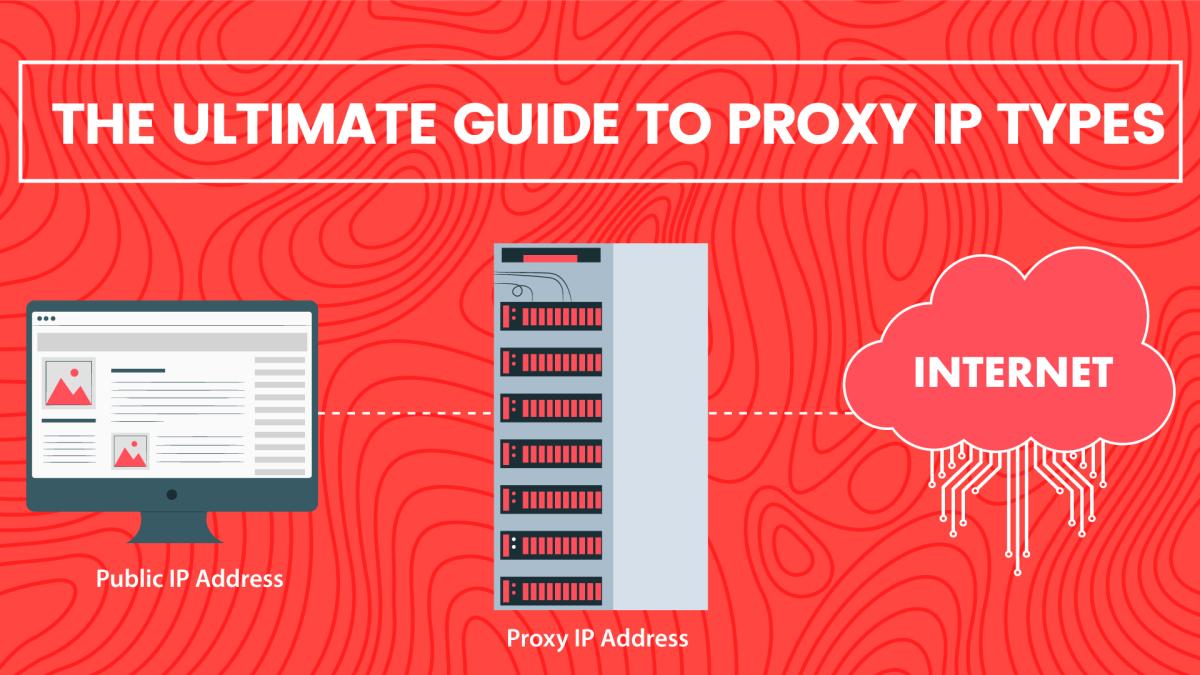
Datacenter
Hosted on servers in a datacenter and announced by a hosting ASN. Cheapest and fastest by a wide margin, available in huge quantities, and instantly recognisable to any site that checks. Perfect for internal tools, uptime monitoring, bulk downloads and targets that don't defend themselves. Useless against strict platforms.
ISP (static residential)
Addresses registered to a consumer ISP but hosted on datacenter hardware. You get residential-looking reputation with datacenter speed and a static address that doesn't change. The sweet spot for long-lived accounts, whitelisted integrations and anything needing a fixed identity that still passes as a home connection. Pools are smaller and prices sit between datacenter and residential.
Residential
Real IPs on real home connections, borrowed through a peer network. Highest compatibility with consumer-facing sites, huge geographic spread, and rotation built in. Slower and priced per gigabyte, because you're paying for someone's actual line. The default for scraping consumer sites, ad verification and geo-specific research.
Mobile
IPs from 4G and 5G carriers. Because carriers put thousands of subscribers behind one address via CGNAT, blocking a mobile IP is expensive for a site — so these carry the most trust. Also the most expensive and the least predictable in throughput. Reserve them for the platforms that reject everything else.
Choosing quickly
| Need | Type |
|---|---|
| Speed and volume, no defences | Datacenter |
| Stable identity, accounts, whitelists | ISP |
| Consumer sites, geo research, scale | Residential |
| Toughest platforms, app traffic | Mobile |
Two more axes
Shared vs exclusive — exclusive whenever an account is involved. Rotating vs sticky — rotate for crawls, stick for sessions.
Most production setups mix types: datacenter for the cheap half of the workload, residential for the half that gets blocked, and a few ISP or mobile addresses for the accounts that must never wobble. Paying residential rates for traffic that datacenter could handle is the most common way teams overspend.
Spin up your first session in 60 seconds.
250 MB on us, activated by our team in live chat. No credit card. Real residential and mobile IPs across 195+ countries.