
What Is A Rotating Proxy?
A short, plain answer: what rotation is, when it helps, and the one situation where it does more harm than good.
The short version
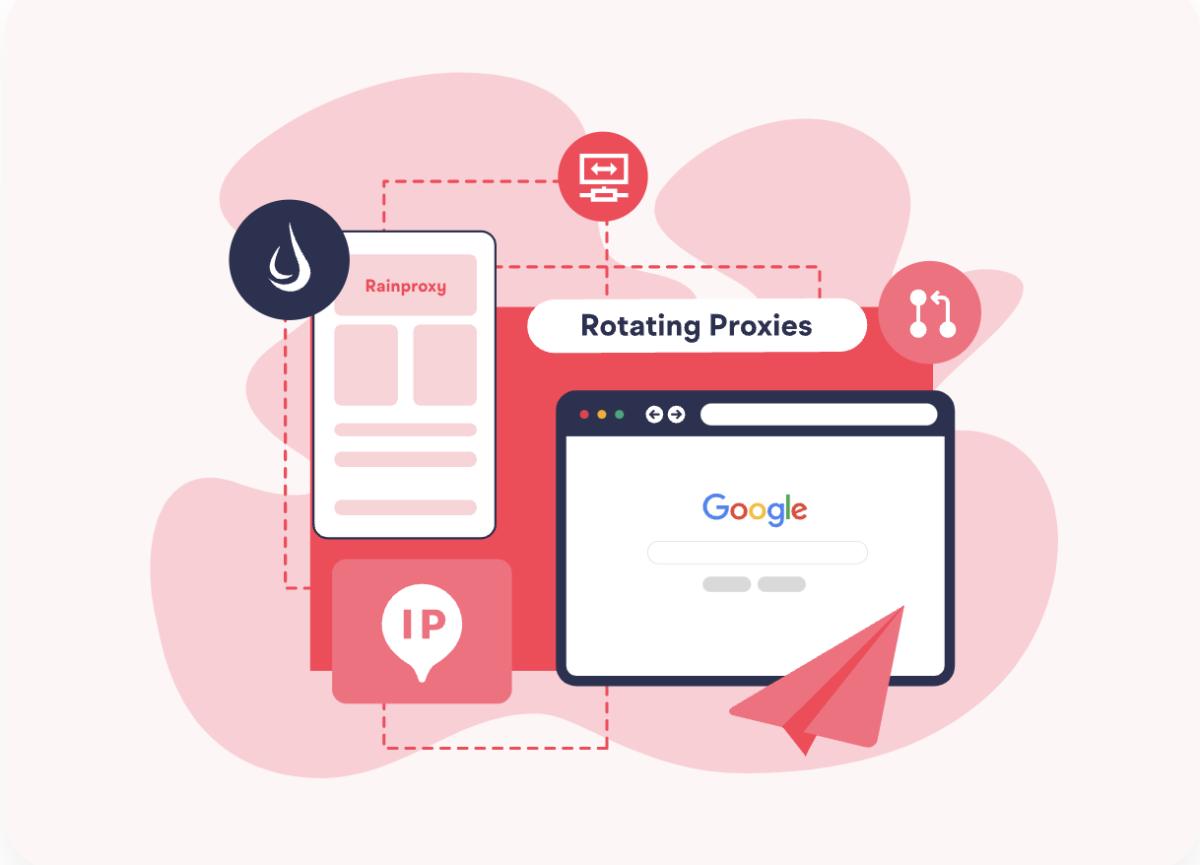
A rotating proxy changes the IP address your requests come from. Rather than one fixed address, you connect to a gateway and each request — or each session — leaves from a different exit in a pool.
Why anyone wants that
Websites limit how much a single address can do. Ask for two hundred pages from one IP and you'll meet a rate limit; spread those pages across two hundred addresses and each one looks like a single ordinary visit. Rotation buys you volume without the pattern that triggers defences.
How you control it
You choose the policy. Rotate on every request for wide crawling. Hold a sticky session for a few minutes when you need continuity. Some setups rotate on a timer, others only when a request fails.
The one thing to avoid
Never rotate in the middle of a logged-in session. A site that hands you a cookie in Amsterdam and sees it return from São Paulo will assume the session was stolen — and it will act accordingly. Keep one IP, one cookie jar and one browser fingerprint together for as long as the session lives.
Which pools rotate
Residential and mobile pools are built for it. Datacenter can rotate too, though the addresses stay recognisable as hosting. ISP proxies are deliberately static and shouldn't be rotated at all.
When you don't need it
If your work involves a single account, a whitelist, or an integration that expects a stable address, rotation is the wrong tool. Reach for a static IP instead and keep rotation for the jobs that genuinely need reach.
Spin up your first session in 60 seconds.
250 MB on us, activated by our team in live chat. No credit card. Real residential and mobile IPs across 195+ countries.